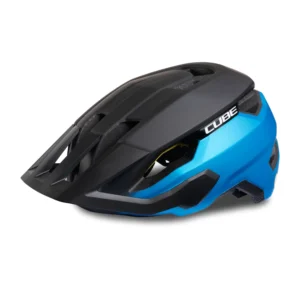
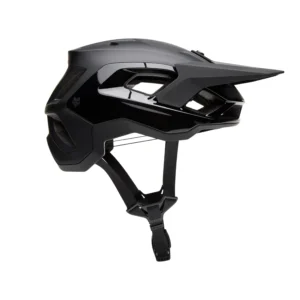
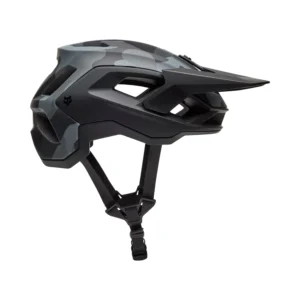
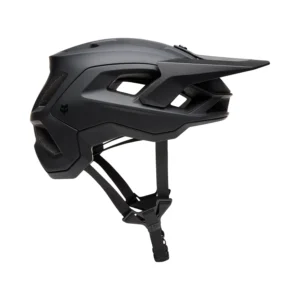
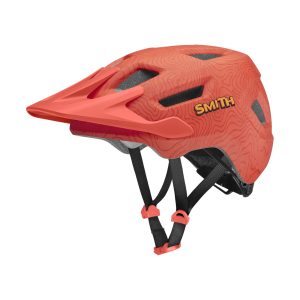
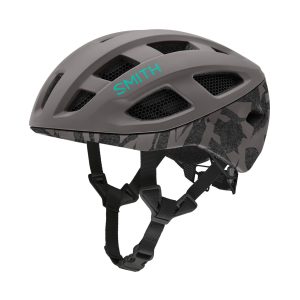
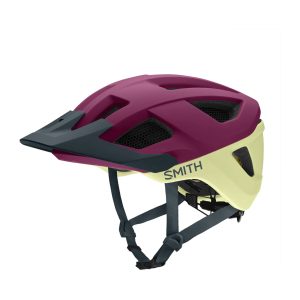
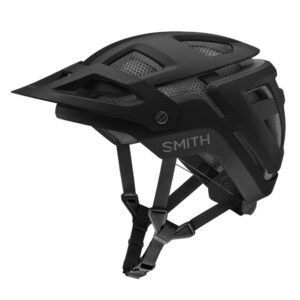
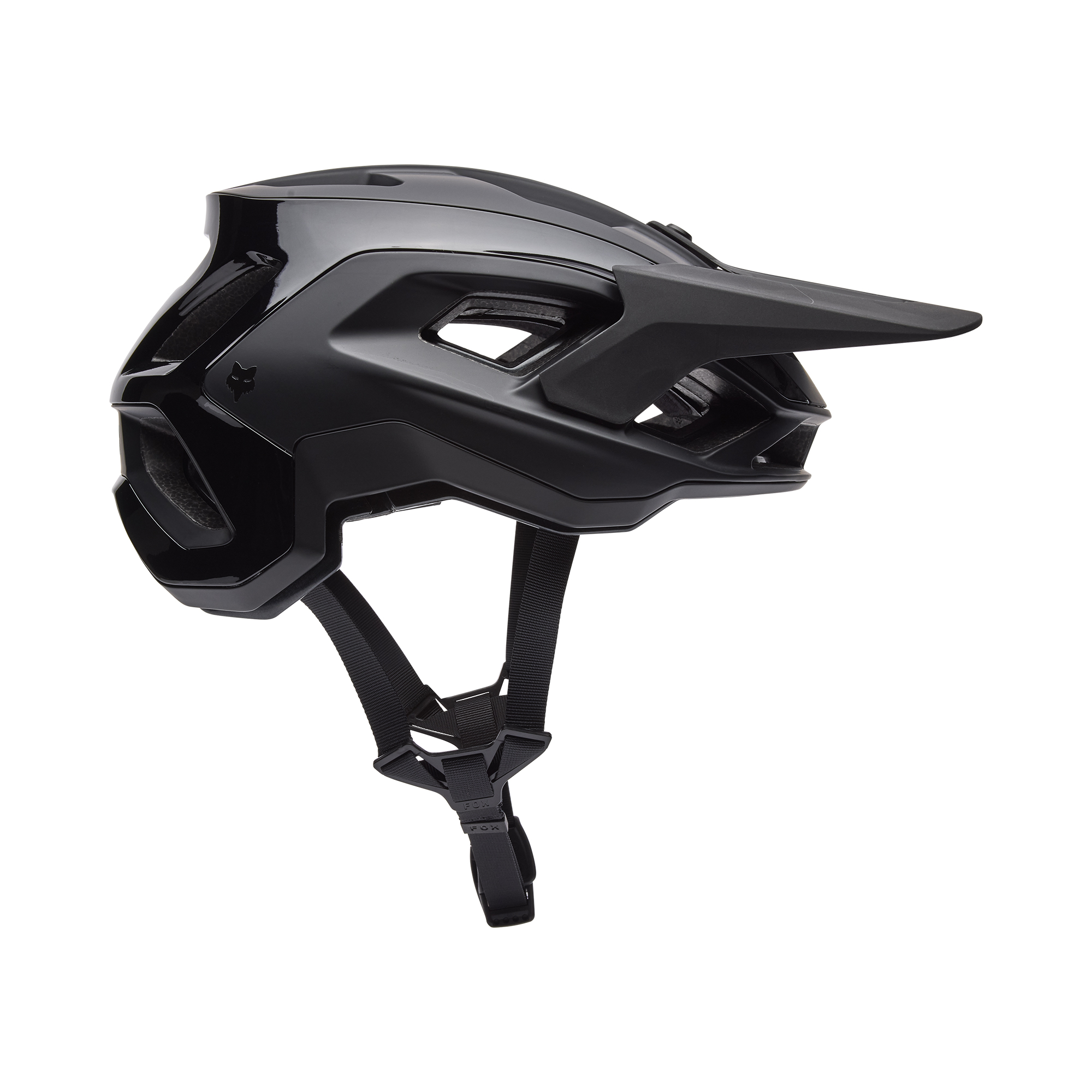
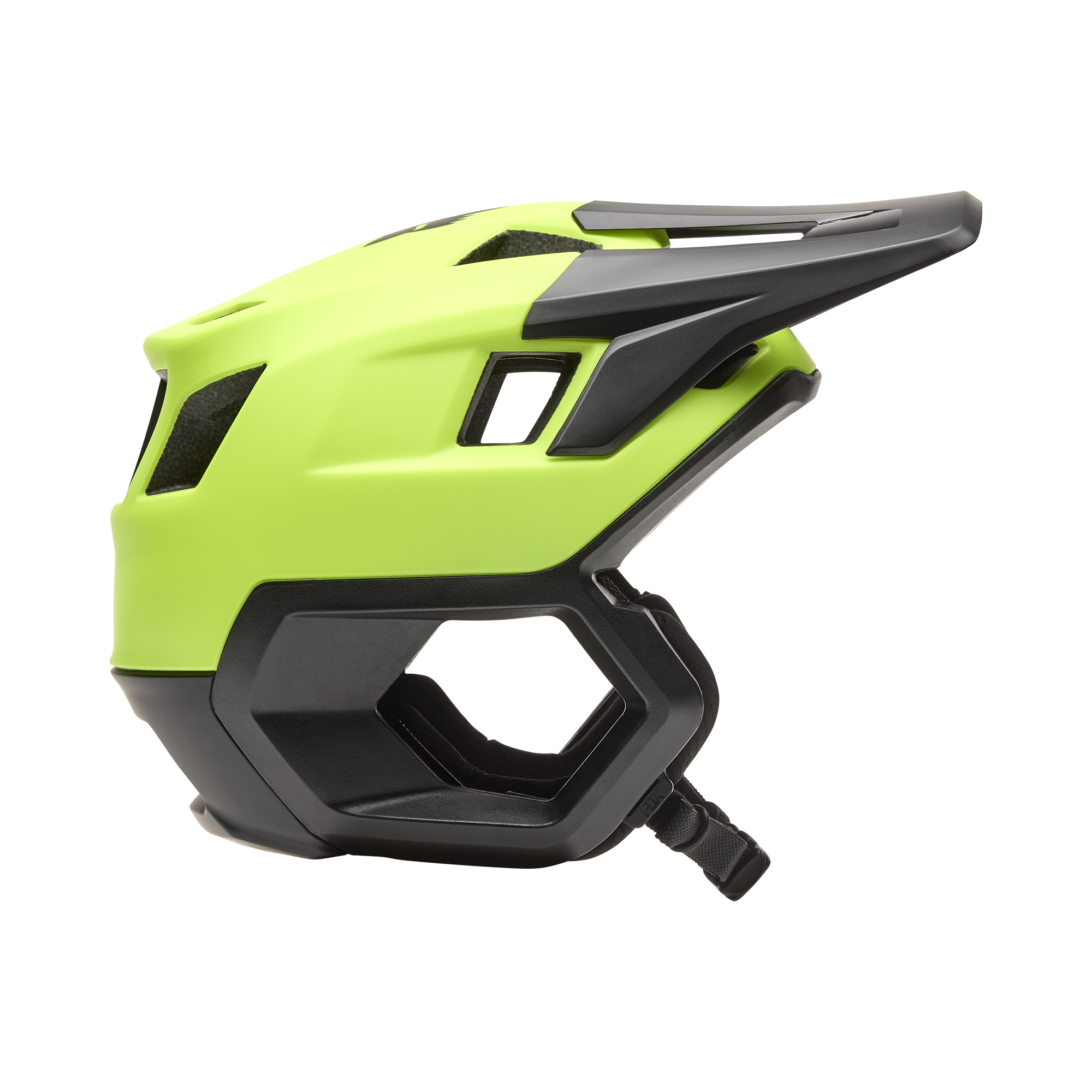
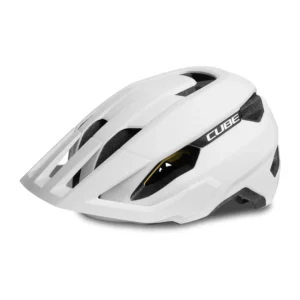
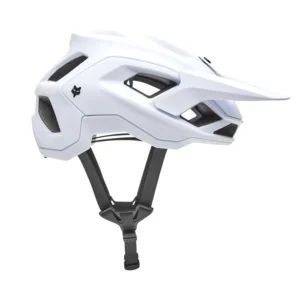
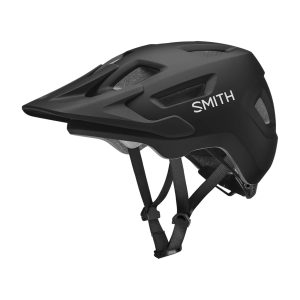
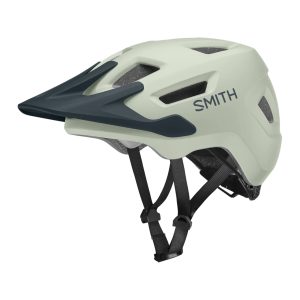
What is an open-face trail helmet?
An open-face trail helmet covers the head without enclosing the jaw in a chin bar. It is a familiar choice for mountain bike rides that combine pedalling, climbing and descending.
Coverage and shape differ between models. Compare how the helmet sits around your head, rather than assuming every trail helmet offers the same fit.
Comfort for longer rides
Ventilation, padding and adjustment all deserve attention when choosing a helmet you will wear for several hours. Consider the conditions you ride in and how much time you spend climbing.
Look at the overall ventilation design rather than vent count alone. Check whether pads can be removed for cleaning, following the manufacturer’s care instructions.
Finding the right fit
Start with your head circumference and the size chart for the exact helmet. A medium in one range may fit differently from a medium in another.
Follow the manufacturer’s instructions to adjust the retention system and straps. Trying helmets on is useful for identifying pressure points and finding a shape that feels comfortable as well as secure.
Fox, Abus and Smith trail helmets
The Fox Speedframe range, Abus Moventor and Cliffhanger, and Smith Engage and Payroll provide several starting points within our collection.
Compare individual versions carefully. Helmets sharing a range name can differ in their adjustment systems, impact-management technology and finishing details. Use the product specification to establish what is included.
Mips-equipped trail helmets
Mips is designed to help reduce rotational motion transferred to the head in certain impacts. It is available on selected helmets, rather than every model in the category.
Consider this alongside fit and the manufacturer’s intended use. The presence of one technology should not replace checking the complete helmet specification.
Glasses, goggles and peaks
Try your helmet with the eyewear you normally use. Check that the helmet does not push your glasses out of position or create uncomfortable contact around the arms.
If you ride with goggles, check model-specific compatibility. An adjustable peak can be useful, but does not by itself confirm that a helmet accommodates your goggles.
When to consider full face
An open-face helmet does not provide chin-bar coverage. If you are choosing a helmet for downhill riding, bike parks or an event, check the manufacturer’s intended use and the organiser’s requirements.
Our full face MTB helmet category is the next place to compare options when that additional coverage is needed.
Trail helmets commonly use an open-face design without a chin bar. However, open-face helmets differ in coverage, construction and intended use, so check the exact model rather than relying on the label alone.
Look for a comfortable fit and a ventilation design suited to your riding conditions. Compare weight, padding and adjustment too. The best choice is the model that fits you properly and remains comfortable throughout your ride.
Measure your head according to the manufacturer’s instructions and compare the result with the model’s size chart. Try it on where possible, particularly if you are between sizes or changing brands.
No. Specifications vary between models and versions. Check the individual product description to confirm whether Mips is included.
Some models accommodate goggles, but compatibility varies. Check the manufacturer’s guidance and try the combination together to assess comfort, positioning and clearance.
Do not assume an open-face trail helmet is suitable for downhill use. Check the helmet manufacturer’s guidance and the venue or event requirements. If a full face helmet is required, an open-face model will not meet that requirement.