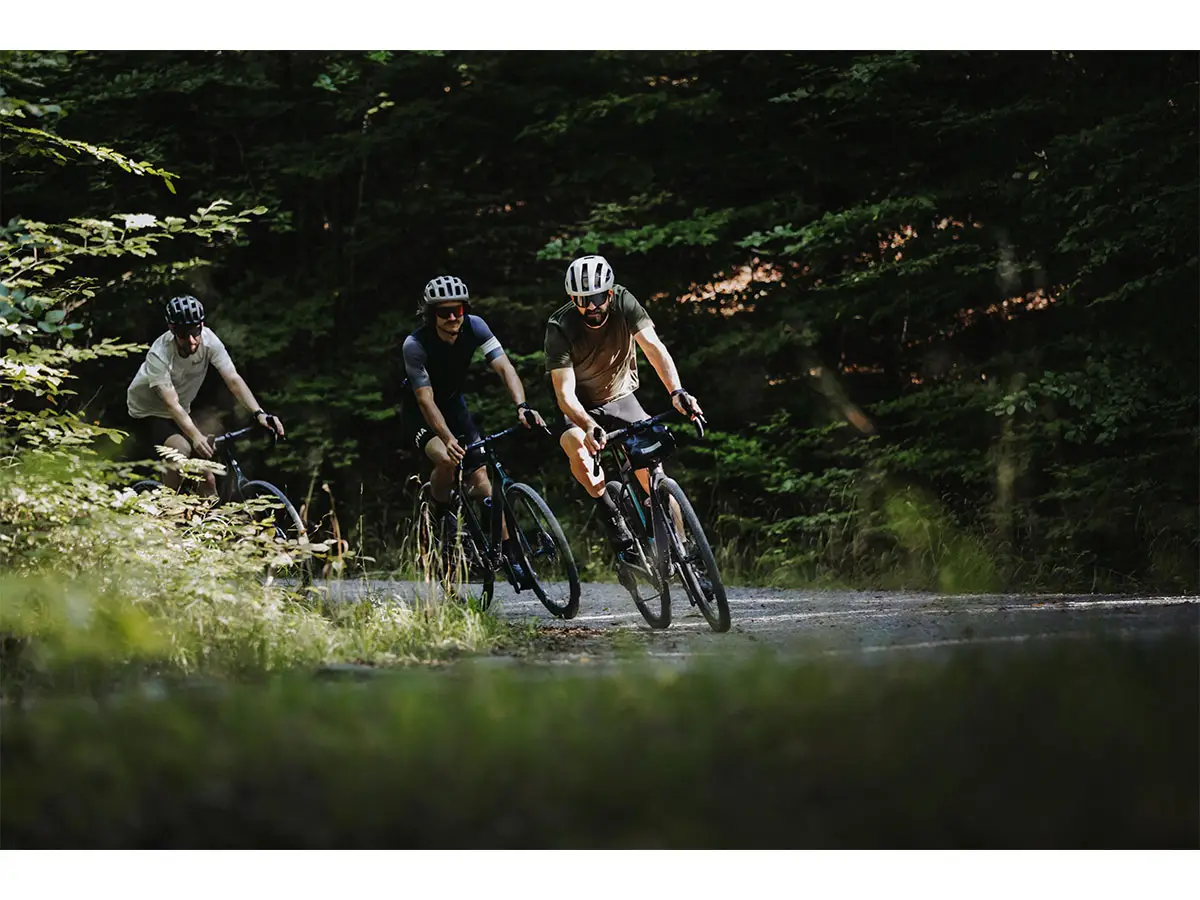
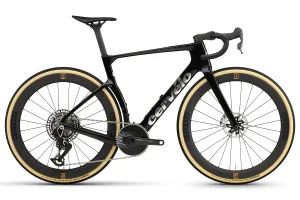
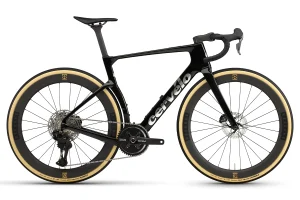
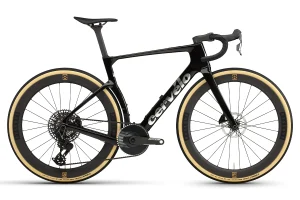
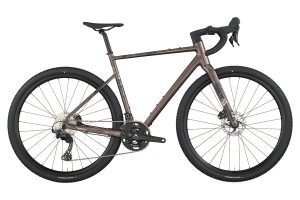
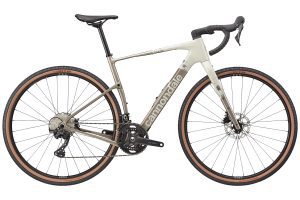
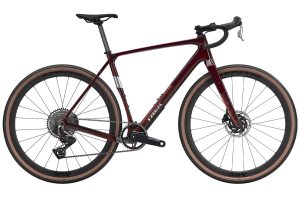
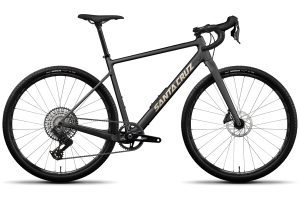
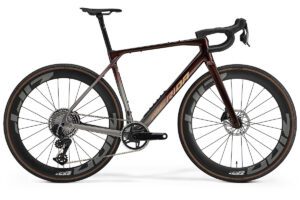
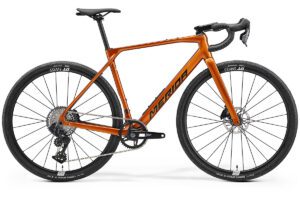
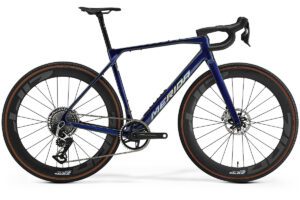
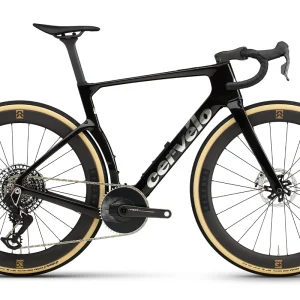
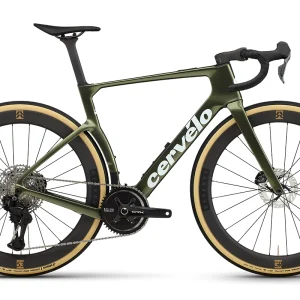
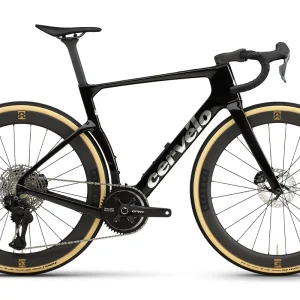
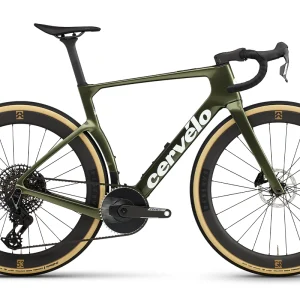
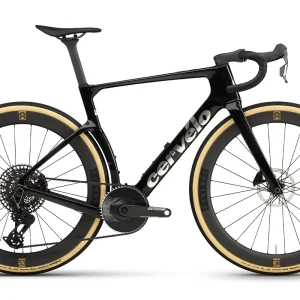
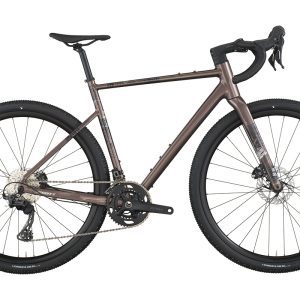
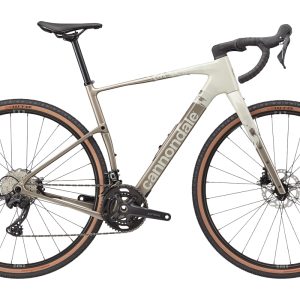
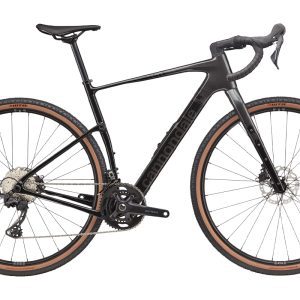
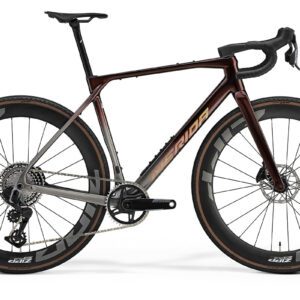
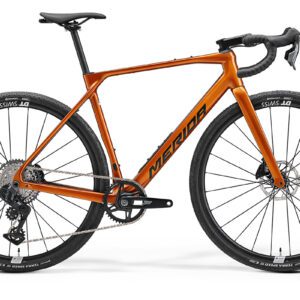
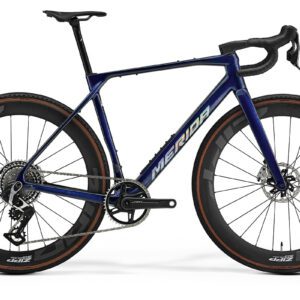
Explore gravel bikes from leading brands including Trek, Cannondale, Cervélo, Scott, Merida and Cube, with options for riders looking for all-round versatility, long-distance adventure or outright speed.
Not sure which gravel bike is right for you? Shop our Gravel Adventure and Gravel Race categories, or learn more below about tyres, gearing, sizing and choosing the right gravel bike for your riding.
Gravel bikes are designed to combine the speed and efficiency of a road bike with greater confidence and versatility away from smooth tarmac. Drop handlebars, wider tyres, capable gearing and increased tyre clearance make them suitable for everything from everyday road riding and bridleways to forest tracks, long-distance adventures and gravel racing.
There’s now a wide range of gravel bikes available, from comfortable all-rounders built for exploring to lightweight, performance-focused bikes designed for speed. The best gravel bike for you depends on where you ride, the surfaces you encounter and whether you prioritise comfort, versatility or outright performance.
What type of gravel bike should I choose?
Start by thinking about where you’ll ride most often and what you want from the bike.
Gravel Adventure Bikes prioritise versatility, stability and comfort. They’re a great choice for mixed-surface riding, exploring, longer days and riders who want a gravel bike capable of handling a wide variety of terrain.
Gravel Race Bikes place greater emphasis on speed, efficiency and responsive handling. They’re designed for riders who want to ride fast on gravel, compete or simply prefer a more performance-focused riding position.
Many gravel bikes sit somewhere between the two, making them excellent all-rounders for riders who don’t want to specialise.
What is the difference between a gravel bike and a road bike?
Gravel and road bikes share features such as drop handlebars, but they’re designed around different priorities.
Gravel bikes generally have wider tyre clearance, lower gearing and geometry designed to provide greater stability and control on loose or uneven surfaces. Many also include mounting points for additional bottles, luggage and accessories.
Road bikes typically prioritise efficiency and speed on tarmac, with narrower tyres and more road-focused geometry.
If most of your riding involves a mixture of roads, lanes, bridleways and tracks, a gravel bike can offer considerably more versatility.
Can I use a gravel bike on the road?
Yes. Gravel bikes can be excellent road bikes, particularly if you value comfort and versatility over maximum speed.
Their drop handlebars and efficient riding position make them well suited to tarmac, while wider tyres can provide additional comfort and confidence on rough UK roads. The same bike can then take you onto bridleways, tracks and gravel without needing to change your setup.
If you expect to spend most of your time riding quickly on smooth roads, a dedicated road bike may be more suitable. For riders regularly mixing road and off-road surfaces, a gravel bike can be an excellent all-round choice.
What tyre width is best for a gravel bike?
The best gravel tyre width depends on the surfaces you ride and how much you prioritise speed, grip and comfort.
Narrower gravel tyres can feel faster on roads and smoother tracks, while wider tyres generally provide more grip, cushioning and confidence on rough or loose terrain. Many modern gravel bikes are designed around tyres approximately 40mm or wider, although clearance varies between frames and models.
Rather than choosing a gravel bike based on tyre width alone, consider its maximum tyre clearance. Greater clearance gives you more flexibility to adapt the bike as your riding changes.
What gearing is best for a gravel bike?
Gravel bikes generally use lower gearing than traditional road bikes to make climbing easier on steep, loose and uneven terrain.
Some use a 1x drivetrain, with a single chainring at the front for simplicity and a wide-range cassette at the rear. Others use a 2x drivetrain, providing more gears and smaller jumps between them, which can be useful for riders who spend more time riding on the road.
Neither system is automatically better. The right choice depends on your terrain, riding style and whether you prioritise simplicity, climbing range or closely spaced gears.
How much should I spend on a gravel bike?
The right budget depends on how often you ride, the terrain you want to explore and the level of performance you’re looking for.
As you spend more, you may gain a lighter frame, higher-specification drivetrain, improved wheels, more capable brakes and components designed specifically for gravel riding. Carbon frames and electronic shifting also become more common further up the range.
However, fit, tyre clearance, gearing and suitability for your riding are more important than choosing a bike based on price alone. A well-chosen gravel bike at the right level can provide years of versatile riding.
How do I choose the right gravel bike size?
Your height provides a useful starting point, but gravel bike sizing and geometry can vary between brands and models. Your proportions, preferred riding position and the type of riding you plan to do should also be considered.
Every bike product page at WHEELBASE features our SmartFit sizing tool. Simply enter a few measurements and SmartFit will recommend a suitable size for the bike you’re viewing, using sizing and geometry data provided by the brand.
It’s a great place to start if you’re unsure which frame size to choose, and our team can also help with sizing advice.
Why buy a gravel bike from WHEELBASE?
WHEELBASE offers gravel bikes from leading brands, with options ranging from versatile adventure bikes and all-rounders to lightweight gravel race bikes.
Whether you’re buying your first gravel bike or looking for a performance upgrade, our experienced team can help with bike choice, sizing and setup. We also offer workshop support to help keep your bike performing at its best.